

What is the difference between different models of meltblown nonwoven fabric making machines?
May 28, 2025
In the dynamic world of nonwoven fabric manufacturing, meltblown nonwoven fabric making machines stand as pivotal assets. As a dedicated supplier of these machines, I've witnessed firsthand the diverse requirements of our clients and the varying capabilities of different machine models. This blog aims to shed light on the differences between these models, helping you make an informed decision for your manufacturing needs.
Production Capacity
One of the most significant differences among meltblown nonwoven fabric making machines lies in their production capacity. Small - scale models are designed for startups or businesses with limited production demands. These machines typically have a lower output, often ranging from a few kilograms to tens of kilograms per hour. They are more compact, easier to install, and require less space. This makes them an ideal choice for small workshops or research institutions that are conducting experiments on nonwoven fabric production.
On the other hand, large - scale industrial models are built for high - volume production. These machines can produce hundreds of kilograms of meltblown nonwoven fabric per hour. They are equipped with powerful motors, larger extruders, and more advanced control systems to ensure continuous and efficient operation. For example, some of our large - scale models can run 24/7, meeting the demands of large - scale manufacturers in the medical, filtration, and hygiene product industries. If you are looking for a high - capacity solution, you can explore our PP Meltblown Nonwoven Fabric Production Line, which is designed to deliver consistent and high - volume output.
Product Quality and Precision
The quality and precision of the meltblown nonwoven fabric produced also vary across different machine models. High - end machines are engineered with advanced technology to produce fabric with uniform fiber diameter, density, and porosity. These machines use precise temperature and pressure control systems, ensuring that the molten polymer is extruded evenly through the spinnerets. As a result, the fabric has better filtration efficiency, breathability, and strength.
In contrast, entry - level machines may have limitations in terms of product quality. The fiber diameter may be less consistent, and the fabric may have uneven density. However, these machines are more cost - effective and can still produce acceptable quality fabric for some less demanding applications, such as packaging or certain types of industrial wipes. Our PP Meltblown Nonwoven Fabric Production Equipment is available in different models, each offering a balance between cost and quality to meet your specific requirements.
Automation Level
Automation is another key factor that differentiates various meltblown nonwoven fabric making machine models. Fully automated machines are equipped with sophisticated control systems that can monitor and adjust all aspects of the production process, from raw material feeding to fabric winding. These machines require minimal human intervention, reducing the risk of human error and increasing production efficiency. They can also be integrated with other production lines, creating a seamless manufacturing process.
Semi - automated machines, on the other hand, require some manual operations, such as adjusting the spinneret position or changing the raw material containers. While they are less expensive than fully automated machines, they may require more labor and have a relatively lower production speed. For businesses with a limited budget or those that prefer a more hands - on approach to production, semi - automated machines can be a suitable choice. Our PP Spunbond Nonwoven Fabric Making Machine comes in both automated and semi - automated versions, allowing you to select the one that best fits your production model.
Energy Efficiency
Energy consumption is a crucial consideration for any manufacturing business. Different models of meltblown nonwoven fabric making machines have varying levels of energy efficiency. Advanced machines are designed with energy - saving features, such as high - efficiency motors, optimized heating systems, and intelligent power management. These features not only reduce energy costs but also make the production process more environmentally friendly.
Older or less advanced models may consume more energy due to outdated technology and inefficient components. However, they may be more affordable upfront. When choosing a machine, it's important to consider the long - term energy costs in addition to the initial purchase price. Our company is committed to providing energy - efficient machines that can help you reduce your operating expenses while maintaining high - quality production.
Customization Options
The ability to customize a meltblown nonwoven fabric making machine is also a significant difference between models. Some high - end machines offer a wide range of customization options, allowing you to adjust the machine's parameters to produce fabric with specific characteristics. You can customize the fiber diameter, fabric width, and density according to your product requirements. This is particularly useful for manufacturers who produce specialized nonwoven fabrics for niche markets, such as high - performance filtration materials or medical textiles.

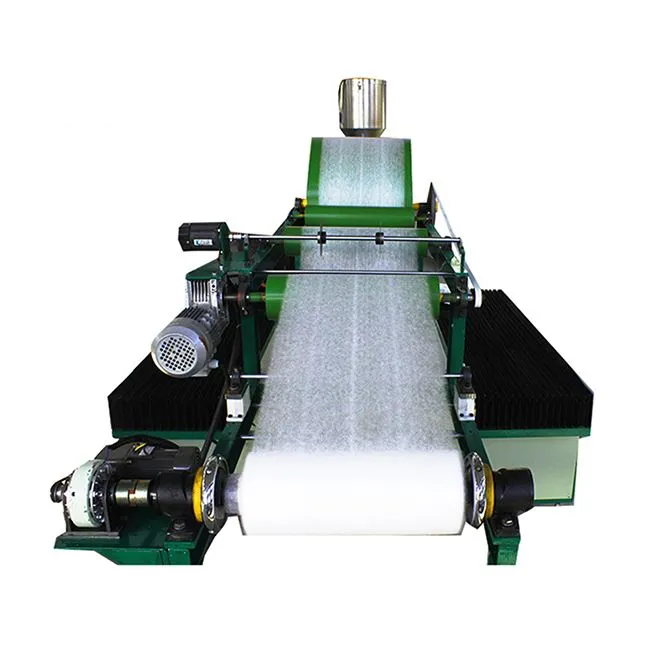
Standard models, on the other hand, have more fixed parameters and may not offer as much flexibility in terms of customization. However, they are usually more cost - effective and can meet the general production needs of most businesses. Whether you need a highly customized machine or a standard model, our team of experts can assist you in making the right choice.
Maintenance and Service
Maintenance requirements and the availability of service also vary among different machine models. Some machines are designed with easy - to - access components and self - diagnostic systems, making maintenance and troubleshooting simpler. These machines often come with comprehensive after - sales service, including regular maintenance checks, spare parts supply, and technical support.
Other models may be more complex to maintain and may require specialized technicians for repairs. It's important to consider the maintenance requirements and the availability of service when choosing a machine. Our company offers a full range of maintenance and service options to ensure that your machine operates smoothly and efficiently throughout its lifespan.
In conclusion, when choosing a meltblown nonwoven fabric making machine, it's essential to consider factors such as production capacity, product quality, automation level, energy efficiency, customization options, and maintenance requirements. Each model has its own advantages and disadvantages, and the right choice depends on your specific business needs and budget.
If you are interested in learning more about our meltblown nonwoven fabric making machines or have any questions regarding the selection process, please feel free to contact us. We are more than happy to discuss your requirements and help you find the perfect machine for your production needs.
References
- Nonwoven Fabric Handbook, 3rd Edition
- Journal of Nonwoven Fabric Research
- International Conference on Nonwoven Technology Proceedings