

What are the common problems in the production process of a Meltblown Nonwoven Fabric Making Machine and how to solve them?
Aug 17, 2026
In the dynamic landscape of nonwoven fabric production, meltblown nonwoven fabric making machines play a pivotal role. As a trusted supplier of these machines, I've witnessed firsthand the challenges that manufacturers encounter during the production process. In this blog, I'll delve into the common problems faced by operators of meltblown nonwoven fabric making machines and provide practical solutions to overcome them.
1. Inconsistent Fiber Diameter
One of the most prevalent issues in the production of meltblown nonwoven fabrics is the inconsistency in fiber diameter. This problem can lead to variations in the fabric's properties, such as filtration efficiency, strength, and softness. Several factors can contribute to this issue:
Temperature Fluctuations
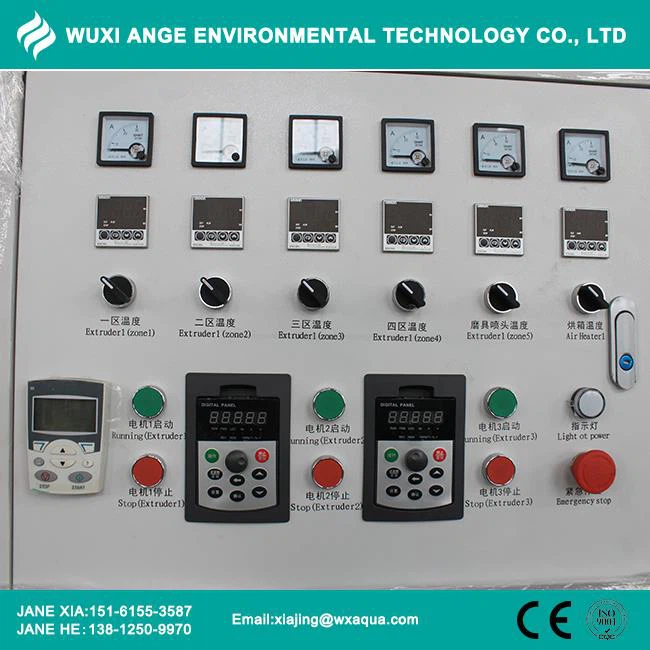
The temperature of the extruder and the die is crucial for maintaining a consistent fiber diameter. Fluctuations in temperature can cause the polymer melt to have different viscosities, resulting in uneven fiber formation. To address this problem, it's essential to install a reliable temperature control system. Regularly monitor the temperature and make adjustments as needed to ensure that it remains within the optimal range.
Polymer Quality
The quality of the polymer used in the production process can also affect the fiber diameter. Impurities or variations in the polymer's molecular weight can lead to inconsistent fiber formation. As a supplier, we recommend using high - quality polymers from reputable sources. Conduct regular quality checks on the polymer to ensure its consistency.
Airflow Variations
The airflow around the die is responsible for stretching the polymer melt into fine fibers. Uneven airflow can cause some fibers to be thicker or thinner than others. To solve this, ensure that the air supply system is properly maintained. Clean the air filters regularly and check for any blockages in the air ducts. Adjust the airflow settings according to the production requirements.

2. Web Defects
Web defects, such as holes, streaks, and uneven thickness, are another common problem in meltblown nonwoven fabric production. These defects can reduce the fabric's quality and usability.
Die Clogging
Die clogging is a major cause of web defects. Over time, the die can become clogged with polymer residue, foreign particles, or charred material. This can disrupt the flow of the polymer melt and result in holes or streaks in the fabric. To prevent die clogging, it's important to clean the die regularly. Use appropriate cleaning agents and tools to remove any deposits. Additionally, install a melt filter in the extrusion system to remove impurities before the polymer reaches the die.
Improper Quenching
The quenching process, which cools the fibers after they are formed, is critical for the web's integrity. If the quenching is not done properly, the fibers may not solidify correctly, leading to uneven thickness or other defects. Ensure that the quenching system is functioning correctly. Adjust the quenching air temperature and flow rate to achieve the desired cooling effect.
Uneven Polymer Distribution
Uneven distribution of the polymer melt across the die can cause variations in the web's thickness. This can be due to issues with the extruder or the die design. Check the extruder's screw speed and pressure to ensure that the polymer is being fed evenly. If necessary, consult with a professional to optimize the die design for better polymer distribution.
3. Low Production Efficiency
Low production efficiency can significantly impact the profitability of a meltblown nonwoven fabric manufacturing operation. There are several factors that can contribute to this problem:
Machine Maintenance
Lack of proper machine maintenance can lead to breakdowns and downtime. Regularly inspect and maintain all components of the meltblown nonwoven fabric making machine, including the extruder, die, air supply system, and winding unit. Replace worn - out parts in a timely manner to prevent unexpected failures.
Operator Training
Inexperienced operators may not be able to operate the machine at its full capacity. Provide comprehensive training to your operators on the proper operation, maintenance, and troubleshooting of the meltblown nonwoven fabric making machine. This will help them optimize the production process and reduce errors.
Process Optimization
Continuously optimize the production process to improve efficiency. This can include adjusting the process parameters, such as temperature, airflow, and screw speed, based on the type of polymer and the desired fabric properties. Use advanced control systems to monitor and adjust the process in real - time.
4. High Energy Consumption
Energy consumption is a significant cost factor in meltblown nonwoven fabric production. High energy consumption can reduce the profitability of the operation and have a negative impact on the environment.
Equipment Selection
Choose energy - efficient equipment when purchasing a meltblown nonwoven fabric making machine. Look for machines that are designed with advanced energy - saving technologies, such as high - efficiency motors and insulation materials.
Process Optimization
Optimize the production process to reduce energy consumption. For example, adjust the temperature and airflow settings to the minimum required levels without compromising the fabric quality. Use waste heat recovery systems to reuse the heat generated during the production process.
Monitoring and Control
Implement an energy monitoring and control system to track the energy consumption of the machine. This will help you identify areas where energy can be saved and take appropriate measures to reduce consumption.
Solutions and Recommendations
As a supplier of PP Meltblown Nonwoven Fabric Production Line and PP Meltblown Nonwoven Fabric Making Machine, we offer a range of solutions to address the common problems in the production process.
- Technical Support: Our team of experienced engineers is available to provide technical support and troubleshooting assistance. We can help you diagnose and solve problems related to machine operation, process optimization, and quality control.
- Training Programs: We offer comprehensive training programs for operators and maintenance personnel. These programs cover all aspects of the meltblown nonwoven fabric making machine, including operation, maintenance, and troubleshooting.
- Upgrades and Retrofits: If you are experiencing problems with your existing machine, we can provide upgrades and retrofits to improve its performance and efficiency. Our upgrades can include new control systems, energy - saving technologies, and improved die designs.
Conclusion
The production of meltblown nonwoven fabrics using a meltblown nonwoven fabric making machine can be challenging, but with the right approach, these challenges can be overcome. By addressing the common problems such as inconsistent fiber diameter, web defects, low production efficiency, and high energy consumption, manufacturers can improve the quality of their products and increase their profitability.
If you are interested in learning more about our PP Meltblown Nonwoven Fabric Production Line, PP Meltblown Nonwoven Fabric Making Machine, or New Design PP Spunbond Nonwoven Fabric Production Line, please feel free to contact us for a detailed discussion. We are committed to providing you with the best solutions for your nonwoven fabric production needs.